26

enter image description here enter image description here

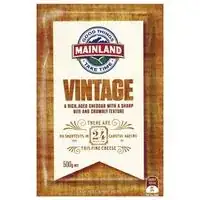
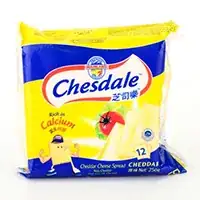
Normally I bought a cheddar slice, which I've been eaten since child. It has a smooth and milky taste. This time I wanted to try something premium so I bought the pricier, but same kind of cheese. (cheddar)

enter image description here

However, when I taste it the texture was very crumbly, the edge of cheese is riddled with white spots (is that germ/fungis?) and the taste is considerably "sour" and with bitter aftertaste. I can't believe this is the same "cheddar" cheese I have eaten!

The expiry date is next year.

So is this what they called vintage, crumbly texture and "with real/sharp bite"? What is "bite" anyway? When I searched for it all returned was cheese bites (the snack). Do vintage cheddar cheese normally taste like this? What kind of cheese I have to buy if I want a flavour more closer to sliced cheddar?

5argon
  • 589
  • 1
  • 6
  • 14
  • 22
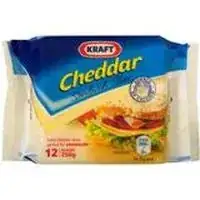
    Those Kraft slices are not cheddar - they say American on them. Have you been buying something else, or are you really comparing cheddar to American? – Cascabel Sep 09 '14 at 05:32
  • Also, mold should be really obvious. Are the white spots just where it's crumbled a bit along the edge, or does it actually look like something growing on the surface? – Cascabel Sep 09 '14 at 05:36
  • 17
    You have accurately described eating ages cheddar cheese :-) Not everyone likes that, try a young cheese and work you way from there – TFD Sep 09 '14 at 09:14
  • 6
    Methinks you may need to widen your palate a bit. People who eat a nothing but processed, salty, fatty foods get habituated to it - food that isn't smooth, fatty, and salty doesn't seem right. Stick with it and get used to it, then never go back. – GdD Sep 09 '14 at 12:56
  • Pasteurized process cheese food: http://www.accessdata.fda.gov/scripts/cdrh/cfdocs/cfcfr/CFRSearch.cfm?fr=133.173 Sounds like your Mainland cheddar had been sitting in the store to long, and developed mold spots. That'll give an off flavor. Crumbliness can be normal in aged cheddar. – Wayfaring Stranger Sep 09 '14 at 14:35
  • 4
    Yuck, I got confused by the similarity of packaging. That is indeed American cheese and I have update the post with the correct picture of cheddar slices I have bought now. – 5argon Sep 09 '14 at 16:16
  • I remember reading the package of those kind of slices and I believe it said that it containt like only 10% cheddar – Ivo Sep 11 '14 at 07:37
  • Just be grateful that it's illegal to sell proper full-flavoured cheddar (made from unpasteurised milk) in the US. – Mike Scott Sep 11 '14 at 12:08
  • 1
    Bite would be those sour/bitter notes you mention. Specifically bite, or sometimes edge, is the presence of flavor notes that can easily be unpleasant (sour, bitter, sharp, spicy), but which become quite interesting in smaller quantities and within a well-balanced flavor profile. The term itself is sort of joking, that this food bites back - "it's got a bite to it". – Megha Nov 30 '17 at 05:26

3 Answers3

62

You have been lied to. I wouldn't call those things at the top of the page cheese, let alone cheddar. I'm not trying to be dismissive of your situation or culture, merely dismaying that British heritage has been misappropriated so poorly.

You are not the first person I've met who's had a strong first reaction to real cheese.

Kraft slices might technically be cheese but they're a hyper-processed abstraction of what traditional cheddar cheese really is. Like a cheap burger to a well matured steak, or a Lada Riva to a Porsche 911, the two cheeses are made from similar stuff, but they clearly aren't the same.

Real cheddar has been allowed to mature. It's sharp and strong and sour and a little crumbly. It is available in a wide selection of strengths, traditionally defined by the length of time it sits maturing (up to 24, even 36 months). It sounds like you've gone straight to most mature end of the scale!

Hard cheeses sweat and dry out and crystallise and that could explain the spots you're seeing:

  • Paler spots are more likely to be salt or protein crystals, but
  • Coloured spots, and fur could easily be mould and fungus.

If in doubt, just cut it off. A hard cheese is quite a resilient substance so unlike soft cheeses and yoghurts, you don't have to chuck them at the first sign of contamination. The sweating also means you need to look after your cheese properly. A paper layer before an air barrier is usually a good idea to wick away any surface seepage.

But cheese is amazing. I'd really, strongly suggest you stick with it though. Cheeses have amazing variety and have something for everybody (except the lactose intolerant, I guess). Visit a cheese shop, hand them a bunch of money and ask them to show you what you've been missing out on. You think I'm enthusiastic about cheese? You haven't seen anything yet!

Oh and if you've got a big block of mature cheese you can't bear to eat raw, try grating it and having it grilled (toasted sandwich, on pizza, etc). It loses a lot of its harshness but it's still delicious.


Terms like "bite" and "tang" are probably a regional variant on the strength scale I've been using: mild, medium, mature, extra mature and vintage. In short, it gives people a better idea of what they're buying.
Oli
  • 937
  • 7
  • 11
  • 1
    -1 Kraft cheese like most proceed cheese is very much cheese, it is just "proceed". As a very small amount of sodium citrate is use to emulsify the cheese), the net effect is a raised sodium level not much else. It is still 100% cheese – TFD Sep 09 '14 at 09:10
  • Mainland cheddar vintage or mild taste fine, it is a mass market cheese made in very large batches, but is still essentially quality cheddar cheese – TFD Sep 09 '14 at 09:12
  • 19
    Meh, they share ingredients but *in my book* they're not cheese, rather just an amalgamation of highly processed rubbish. The tone of my answer is fuelled by the incredulity that somebody could think something *squirted* into a plastic pouch would have *any* relation to something that can take up to 24 months to mature. – Oli Sep 09 '14 at 09:33
  • 4
    Don't know Kraft brand explicitly, but check the ingredients, usually just cheese, other milk products and sodium citrate. That's it. "incredulity" doesn't carry well on a written forum due to different cultures and different experiences. OP from Thailand, cheese may not be a traditional product? – TFD Sep 09 '14 at 09:59
  • 1
    Just a tip, if you find real cheddar unpalatable, acclimatise yourself before trying something like Stilton. – Tom W Sep 09 '14 at 11:38
  • Stilton is likely to make you go vegan if you can't handle cheddar ☺ – Oli Sep 09 '14 at 11:46
  • 10
    @TFD there are very many different food products that are made *from* cheese - and that makes them 'not cheese'; in most places they can't even be labelled as cheese as that would be misleading consumers, you have to call it 'cheese product' or 'pasteurized process cheese food' to emphasize that it's related to cheese but not it. – Peteris Sep 09 '14 at 11:46
  • 8
    @TFD From my point of view the ingredients are only part of the "experience". It's completely different to have a pile of parts and finished car. Yes both have the same ingredients, but the experience really differ. Same with cheese. The process is more important than the ingredients, that's why you cannot compare mass market and "artisan" cheese or any other product. – jnovacho Sep 09 '14 at 12:14
  • 13
    @TFD The reason Kraft Singles say "processed cheese product" on the label instead of just "cheese" is that the FDA (which is really loose in it's definitions of a food product are vs eg Europe's regulators) considers it too different from real cheese to use the same name. – Dan Is Fiddling By Firelight Sep 09 '14 at 13:12
  • 2
    There's some truth to what both sides are saying here. I think your answer is unnecessarily dismissive of the OP and snobby (for example, you seem to be saying that a really good mild cheddar is not good cheese). But it's also certainly true that Kraft Singles aren't much like good cheddar, even mild cheddar. – Cascabel Sep 09 '14 at 13:38
  • 2
    @Jefromi I'm not trying to be dismissive of the OP, I'll see what I can do about that... But regarding mild cheddar, I honestly can't remember a time when I've had *really good* mild cheddar. It has either been flavourless or too rubbery to abide. I would just pick another cheese if I wanted creamy. But that's just my opinion of my experiences. I'll make a point to ask for recommendations next time I'm cheese shopping, to see what the fuss is about :) – Oli Sep 09 '14 at 14:10
  • @Oli Thanks! I definitely like more she's cheddar too, but I know it's not a universal preference. – Cascabel Sep 09 '14 at 14:25
  • 2
    @TFD, Kraft singles (American) are not cheese slices, they are processed cheese product. They share some ingredients with cheddar cheese, but they are not cheddar. (However, I believe Kraft _does_ produce actual sliced/block cheddar cheese as a different product.) While I much prefer actual cheddar, I grew up on such "cheese product" and don't mind eating it even now. I just choose the better stuff when given the choice! :) – Brian S Sep 09 '14 at 15:16
  • 2
    Thanks everyone, I came to learn what is PROCESSED cheddar cheese now. (which is an actual cheddar mixed with emulsifier, salt and stuff then can be made to slices.) The name of processed cheese includes : singles, processed cheddar, cheddar spread (despite it's obviously a slice), etc. to differentiate itself from actual cheddar. Also can someone explain "bite", "bitey", "sharp bite", "real bite" as advertised by some packaging? – 5argon Sep 09 '14 at 16:24
  • +1 for the suggestion on storage. What I generally do is wrap the cheese in a paper towel, then put it in a plastic bag which I loosely seal. Also works for other hard cheeses (e.g. Parmigiano Reggiano and Pecorino Romano) – nico Sep 09 '14 at 18:47
  • 1
    `up to 24, even 36 months` -- that's the low end for good aged cheddar! Great answer though. – Matthew Read Sep 09 '14 at 19:10
  • 3
    According to [reasonably reliable sources](http://i.stack.imgur.com/vzTR5.png) there are cheese options _even for the lactose intolerant!_ – Matt Ball Sep 10 '14 at 01:51
  • 2
    @5argon if it is feasible, go to a cheese tasting or a cheese factory that has a tour (preferably smaller factory) and explore the flavors and options of a real cheese. Cheeses are much like wines in some respect - while the type of cheese or wine (cheddar, merlot) are similar, the different producers have different flavors. When you get very local, there are differences even between cows from this pasture vs that pasture (or grapes on this valley vs that valley). There is an incredible range of cheese out there that you can explore to find the type you really like. –  Sep 10 '14 at 14:57
  • 6
    I'd like to add that after I read this answer I tried eating grilled hot dogs with cheddar cheese (sliced out of the block, no further preparation) and man, it's awesome all of the sudden! (The impression of that sour and bitter taste change from "Yuck" to "Ooh.." now. Weird!) Maybe I have developed the taste or maybe wording of this answer is just so convincing to me. Haha – 5argon Sep 10 '14 at 19:29
  • @5argon - It is pretty common, actually, that with some foods the taste is too sharp (or too something) by itself but put it in a larger whole and the flavors can shine. A lot of condiments are like that, few would eat them by the spoonful but they add a lot to other foods. – Megha Nov 30 '17 at 23:22
27

If you bought a good cheddar, the white spots are most likely tyrosine crystals. They build up in the cheese during the aging process, and they are a very desirable feature which gives the cheese much more taste and character.

Well aged cheese has some acid and bitter notes, but mostly umami. It also has lots of cheesy aroma, which smells distinctly like proteins and fermentation, I don't know how to describe it else. It is distantly related to budding yeast.

The slices at the top are not cheddar, they are processed cheese. It probably started out with cheese made with a cheddaring process (but not taken to maturity), but frankly, all commercially processed cheeses taste the same, it doesn't matter what you started with.

There is unaged cheddar on the market. It is real cheddar, and has a very different texture from the processed cheese, but it is much milder in taste, having not yet developed its aroma. You can buy this one. As a pleasant side effect, it is much cheaper than the aged cheddar.

rumtscho
  • 134,346
  • 44
  • 300
  • 545
  • 3
    On the unaged cheddar note, surprisingly, the "Tasty Mainland Cheddar Cheese" is labeled as aged 18 months (vs. Vintage's 24 months) but actually pricier in Thailand! – 5argon Sep 09 '14 at 16:28
  • 2
    @5argon Perhaps demand for the very sharp cheeses is low in Thailand – andrewb Sep 11 '14 at 05:25
  • 3
    @5argon there are many factors involved in price setting. But the production costs of aged cheeses are much higher than those of young cheeses, so the overall trend is that aged ones are more expensive. But yes, specific examples can go against the trend. – rumtscho Sep 11 '14 at 08:25
0

Cheddar in England is the original home of cheddar cheese and the maturer the better. Some of the ‘plastic’ stuff that’s marketed as Cheddar in no way resembles the real thing. The more mature it is, the crumblier and sharper it is and it should have the whitish deposits running through it. It isn’t mould. It’s the only hard cheese I buy because most English cheeses are not on sale in New Zealand.